DigiBenders is an AI consulting and software company in Saint John, New Brunswick, working with organizations across Canada and the United States. Founder Nikhil Sharma spent a decade in enterprise software architecture in healthcare and professional services before starting DigiBenders in 2021. Most of the consulting happens before any code: mapping how work actually flows, finding where it waits or gets re-typed, and deciding what is worth automating.
Twelve years shipping software, starting in healthcare, where privacy and audit trails decide what can go live
AI receptionists in production at two Atlantic Canada law firms, handling intake calls and booking consultations around the clock
Readiness assessments from $6,000; implementation projects typically begin at $20,000


Each engagement has a written scope and a price before work starts. You can stop after any step.

A fixed-fee review of your goals, processes, data, systems, people and privacy, ending with ranked use cases and a roadmap. See our AI readiness assessment.

Which use cases come first, what each will cost, what it depends on and how you will judge it. A plan your leadership can approve and your team can follow.

Connecting AI to the CRM, phone system and business software you already use, with testing, staff training and a named owner on your side. No rip-and-replace required.
Voice and chat agents that answer, qualify and log enquiries into your CRM around the clock. See how we did this for CLG Injury Law.
Software built around your own data when an off-the-shelf tool will not do the job or cannot hold your data. See AI application development.
A use policy, human review steps and data handling rules your staff can follow, so people stop pasting client files into public chatbots.
AI features now arrive as add-ons to software you already pay for, and staff are trying public tools on their own. Canada's privacy commissioners have made it clear that organizations using generative AI are in scope. Three questions come first.
One process with a measurable cost, such as missed calls or hours of re-typing. If no one can name the problem, a licence will not fix it.
What the tool would see, where it would go and who is accountable for it. This decides which tools are even an option for your organization.
A baseline before the pilot, weekly reviews during it and a clear go or no-go decision at the end. No pilots that quietly carry on forever.
Intake, after-hours calls and document work, with client confidentiality and Law Society rules in view from the start.
Patient privacy, audit trails and data quality decide what can go live. This is where Nikhil's software career began.
Accounting, engineering and consulting firms with skilled staff losing hours to admin, reporting, follow-up and scheduling.
Advisory, brokerage and insurance firms where client data, records and compliance shape which tools are allowed.
Multi-site operators and field businesses where scheduling, dispatch and paperwork still pass through inboxes and spreadsheets.
Senior architecture and delivery support for teams that need more capacity on AI and custom development work.
1_Discovery Call We talk through what is prompting the question, who owns it and what you have already tried. If you do not need outside help yet, we will tell you.
2_Readiness Assessment Interviews, a systems and data review and a privacy check, scored across eight areas. You get ranked use cases at the end.
3_Roadmap and Business Case What to do first, what it will cost, what it depends on and what it should return, with a baseline for each use case.
4_Pilot One use case, one team and a fixed window. Weekly reviews against the baseline, then a go or no-go decision.
5_Build and Rollout We connect it to your systems, train your staff, and set up the policy and human review steps before it reaches everyone.
6_Review and Hand Over We check the results against the business case and hand your team the documentation and accounts. Ongoing support is optional.


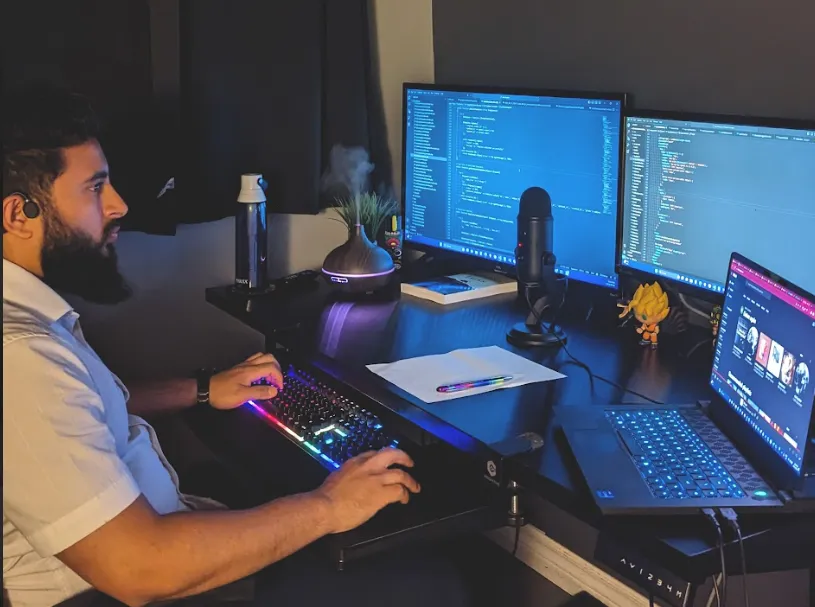


Six offices across New Brunswick, Nova Scotia and PEI.
We integrated an AI receptionist and website chatbot that answer enquiries, capture them after hours and pass every interaction into the firm's CRM, with the team notified right away.
View the CLG case study

A Saint John business law firm with limited reception coverage.
The receptionist answers calls, books and confirms appointments and covers after-hours enquiries. A chatbot handles website questions, and everything flows into the firm's CRM.
The advice comes from people who will have to make it work, so it stays realistic about cost, data and effort.
No layers between you and the person responsible for the technical decisions.
Sometimes the answer is a process change or a simple integration. That is a useful finding too.
Data handling, human review and a named owner are settled before a tool is connected, not after a rollout.
The documentation, accounts and roadmap stay with your organization, whoever does the next phase.





















Book a free strategy call and let DigiBenders help you achieve your business goals.